

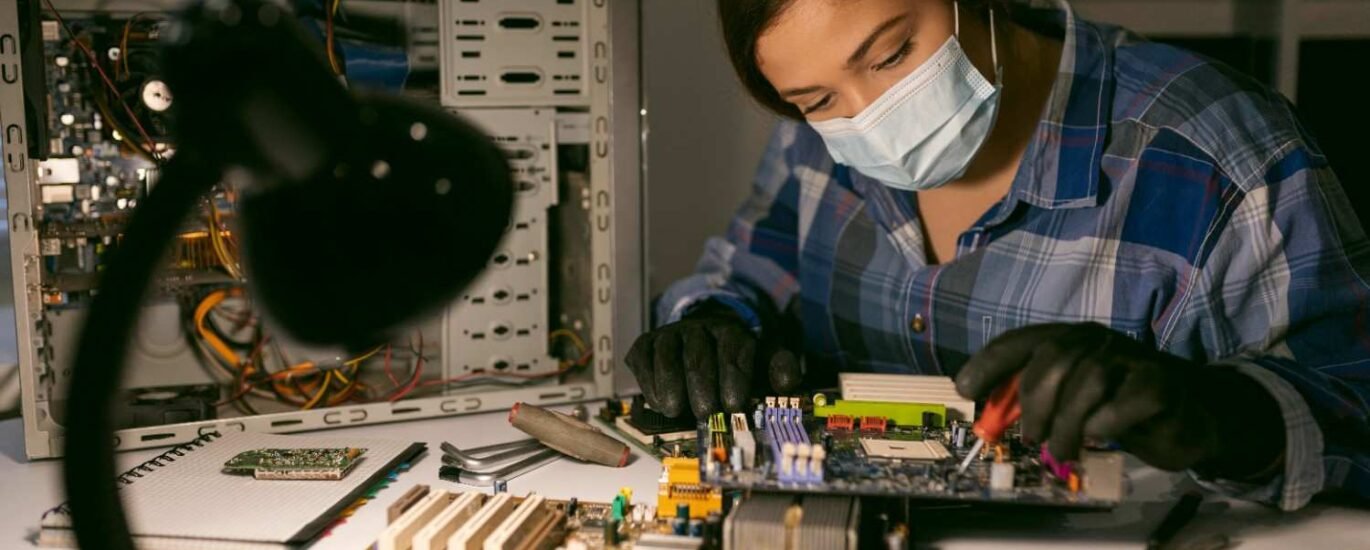
Semiconductor in the era of digital transformation has emerged as the backbone of the technologies used in everyday life. The modern economy of India is powered by critical components ranging from smartphones, laptops to cars. The growing electronic sector of India has been a key consumer of semiconductors, and this sector has been importing semiconductors to meet the growing demand. However, the Indian government is making an effort to change this dynamic with its mission-aligned policy and emphasis on creating a skilled workforce who are adept in semiconductor manufacturing and innovation. Understanding the strategic importance of semiconductors, prominent educational institutes and corporate hubs have launched comprehensive semiconductor programs in India to power its digital transformation journey and reinforce its position in the global supply chain. Semiconductor programs are designed to shape the future of innovation, self-reliance, and economic growth.
The Rising Importance of Semiconductors
With the manufacturing world transitioning to Industry 4.0, the semiconductor chips demands are escalating. As per the industry reports, the Indian semiconductor market is projected to reach $103.4 billion by 2030, and the country is set to become a significant player in the global semiconductor ecosystem. The semiconductor demand in India is mainly driven by the quick expansion of the industrial and automotive sectors. Hence, India is passionate to become a self-reliant global player by keenly working to establish a robust domestic manufacturing ecosystem. It is anticipated that India may contribute 8 to 10% of its revenue by 2030, and the first Made in India chip will roll out this year. Investing in semiconductors is vital due to the rapidly digitizing economy and sectors like finance, healthcare, education, defense, and manufacturing, which depend on advanced semiconductor technology.
About the Semiconductor Program in India
To cater to the demands of the rapidly growing semiconductor sector, leading academic institutions in collaboration with industry players have come out with specialized semiconductor programs in India to prepare a talented workforce equipped with cutting-edge skills. The semiconductor programs have a best-in-class curriculum and are jointly developed and delivered in association with industry and academic leaders to nurture chip design engineers and fabrication specialists. These programs also provide hands-on experience and exposure to participants and expose them to best practices in semiconductor manufacturing. The educational institutions with their semiconductor programs are on the way to fulfill India’s semiconductor ambitions and establish the nation as a global talent hub for semiconductor innovation.
Role of Semiconductor Programs in India’s Digital Transformation
Semiconductor programs are playing a significant role in India’s digital transformation by preparing a talented pool of workforce skilled in VLSI design, fabrication, and testing. These programs align with the global trend towards automation and digitalization. Candidates pursuing these programs gain expertise in crucial areas like system-on-chip design, semiconductor fabrication, and embedded systems, and they also learn to implement advanced technologies across automotive, healthcare, energy, and agriculture sectors. The semiconductor programs are fueling digital transformation in the following ways:
Strengthening Electronics Manufacturing – Semiconductor programs are preparing a pool of talented and skilled professionals for the electronics sector who are efficient in semiconductor chip manufacturing. This will further fuel the nation’s vision of becoming a global electronics hub.
Supporting India’s 5G and IoT Growth – The semiconductor programs train engineers in chip designing, as chips are increasingly required in electronic devices, communication networks, and base stations. With semiconductor chips locally designed and manufactured, India can easily roll out 5G and expand its IoT applications.
Boosting AI and Data-Driven Solutions – Semiconductor programs train professionals in manufacturing high-performance chips that are essential for boosting AI and data-driven solutions across diverse sectors and ensuring India’s competitiveness in this industry.
Driving Electric Mobility & Sustainability – Electric Vehicles and renewable energy system requires special chips for battery management and energy efficiency. Hence, semiconductor programs in India equip professionals with the skills to develop such specialized chips and help the country lead in green technology innovation.
Key Skills Learned in Semiconductor Programs
Semiconductor programs in India are designed to equip participants with the knowledge and skills essential to excel in highly competitive and specialized semiconductor industries and are prepared to handle industry challenges with foresight and expertise. The curriculum of the program is grounded in actual semiconductor job roles and integrates opportunities with real industry-driven projects, advanced competencies, and theories to create future engineers. Participants of the program gain expertise in areas such as:
Fundamentals of Semiconductor Devices – Participants of the program will be introduced to the core principles of semiconductor physics, the basic semiconductor devices design and operation, along with the key technologies driving modern electronics.
Semiconductor Fabrication and Process Technologies – Program participants learn about the fabrication techniques of semiconductor devices. This further includes lithography, etching, oxidation, metallization, and thin film deposition. They will also learn about cleanroom environments and vital steps of manufacturing integrated circuits.
Design & Simulation – Semiconductor program participants will develop expertise in electronic design automation (EDA) tools as well as in SPICE and MATLAB software that are used for designing and simulating integrated circuits.
Programming Languages – Participants of the semiconductor program learn about the programming languages that are required for semiconductor designing like Python, C, and Verilog.
Device Physics and Performance Optimization – The semiconductor programs will teach about the physics governing semiconductor devices such as band theory, and junction behavior. Students will also learn to optimize device performance.
Besides these vital skills, participants also learn soft skills and problem solving skills that enhance their employability across diverse industries like consumer electronics, automotive, healthcare, renewable energy, and defense.
Conclusion
Semiconductor programs in India beyond just academic programs have emerged as tools leading to digital transformation. These programs power participants with future-ready skills and contribute in cultivating a pool of innovators to support India’s ambition to become a global semiconductor leader. India’s semiconductor programs are good investment that ensures country to be a pioneer of technology. With the demand for semiconductor chips increasing across diverse sectors, India is in need of such programs that can power their digital transformation and shape the technological future. Semiconductors have emerged as the future building blocks and the skilled workforce of this sector will shape the technology future.


