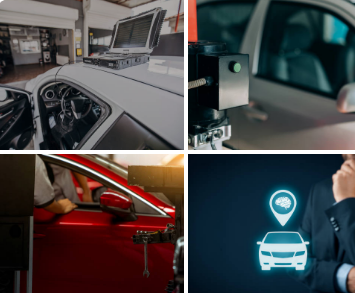
Advanced Driver Assistance Systems (ADAS) have revolutionized modern driving, making vehicles safer and more efficient. From lane departure warnings to adaptive cruise control and blind-spot monitoring, these systems rely on an intricate network of sensors, cameras, and radar units to function effectively. However, just like any technology, ADAS requires proper maintenance to remain accurate — which is where ADAS recalibration services become essential.
The Role of ADAS in Modern Vehicles
ADAS technology encompasses a variety of safety and convenience features designed to reduce accidents and enhance the driving experience. Key components include:
-
Forward Collision Warning (FCW)
-
Lane Keeping Assist (LKA)
-
Adaptive Cruise Control (ACC)
-
Parking Assist and Surround-View Cameras
-
Blind Spot Monitoring (BSM)
Each of these systems relies heavily on precise sensor alignment. Even a minor misalignment caused by an accident, windshield replacement, or suspension work can impair system functionality, potentially putting the driver at risk.
Why Recalibration is Critical
Whenever a vehicle’s ADAS sensors are disturbed, recalibration is necessary to ensure they work correctly. Inaccurate sensors can lead to:
-
False warnings or alerts
-
Malfunctioning lane departure warnings
-
Ineffective collision avoidance systems
-
Reduced effectiveness of adaptive cruise control
-
Parking assistance errors
This is why ADAS recalibration services are not optional—they are critical for maintaining the safety and performance of modern vehicles.
Factors That Trigger ADAS Recalibration
Several situations can necessitate recalibration of ADAS sensors:
-
Windshield Replacement
Many ADAS cameras are mounted on the windshield. Replacing it can slightly shift camera positions, affecting system accuracy. -
Suspension or Steering Repairs
Changes to suspension geometry or steering components can alter the alignment of radar sensors and cameras. -
Accidents or Minor Collisions
Even minor fender-benders can misalign cameras or radar sensors, requiring recalibration. -
Wheel Alignment Adjustments
Since some ADAS functions depend on the orientation of the wheels, alignment changes can impact the system. -
Software Updates
Some vehicles may require recalibration after an ADAS software update to ensure sensor readings are interpreted correctly.
The Recalibration Process
ADAS recalibration typically involves a combination of mechanical adjustments and software alignment. Certified technicians use specialized equipment to recalibrate sensors to factory specifications. The process generally includes:
-
Diagnostic Scan – Identifying which sensors need recalibration.
-
Target Alignment – Placing calibration targets in precise positions relative to the vehicle.
-
Calibration Execution – Using diagnostic tools to reset and align sensors.
-
Verification – Testing each system to ensure proper functionality.
By following this process, technicians ensure that features like lane-keeping assist, collision warnings, and adaptive cruise control perform as intended.
Choosing the Right ADAS Recalibration Service
Not all auto shops are equipped for ADAS recalibration. The technology requires specialized tools, training, and expertise. That’s why choosing a reliable service center like Sawmill Auto Alignment is crucial. With certified technicians and state-of-the-art calibration equipment, they ensure your vehicle’s ADAS is restored to optimal performance.
Benefits of choosing a professional service include:
-
Accurate sensor alignment
-
Compliance with manufacturer specifications
-
Reduced risk of system errors
-
Enhanced safety for drivers and passengers
The Future of ADAS and Recalibration
As automotive technology evolves, ADAS features are becoming more advanced and interconnected with other systems, such as autonomous driving technology. This increases the importance of accurate recalibration. Future vehicles may include:
-
Enhanced LiDAR systems
-
AI-driven predictive safety features
-
Integration with vehicle-to-everything (V2X) communication
Maintaining the accuracy of these systems will depend heavily on skilled recalibration services, ensuring drivers continue to benefit from safer and smarter vehicles.
Conclusion
ADAS technology has transformed modern driving, providing increased safety, convenience, and confidence on the road. However, the effectiveness of these systems depends entirely on precise sensor alignment. Whether you’ve had a windshield replacement, an accident, or routine maintenance, ADAS recalibration services are essential to keep your vehicle operating safely.
For drivers seeking professional, reliable recalibration, Sawmill Auto Alignment offers expert services designed to restore your vehicle’s ADAS systems to factory accuracy. Don’t compromise on safety—ensure your advanced driver assistance systems are always functioning at their best.