

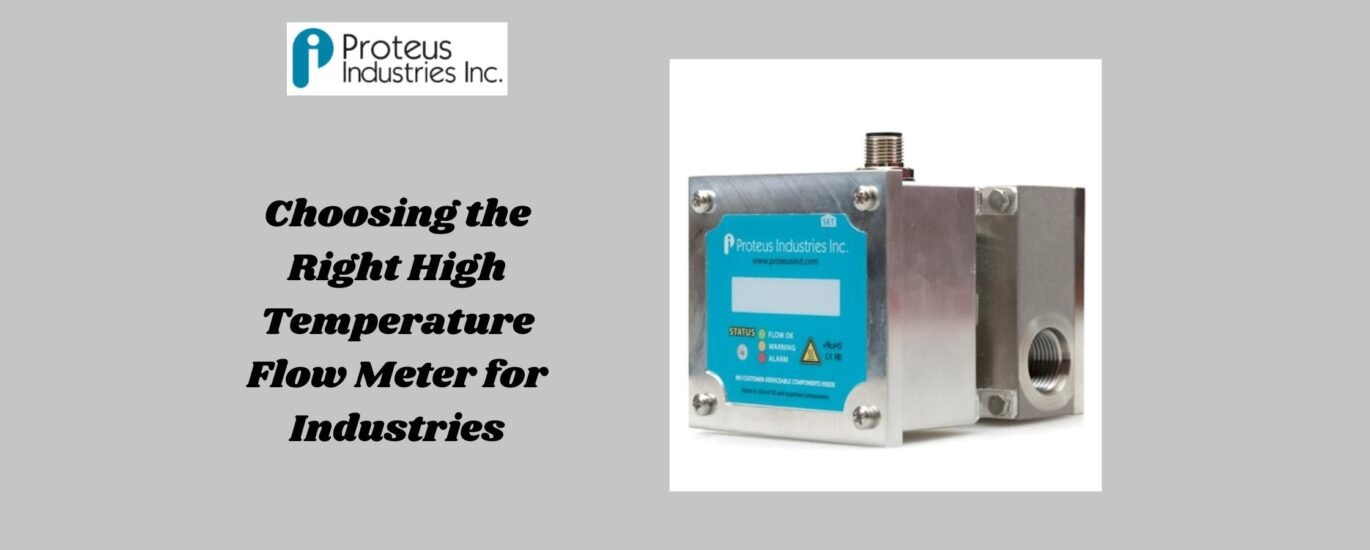
Accurate flow measurement is vital in industries that operate under extreme heat, where even slight temperature variations can affect fluid behaviour and system efficiency. High temperature environments introduce challenges, including viscosity shifts, sensor degradation, and inconsistent readings, which compromise safety and productivity. This is why specialised high temperature flow meters are essential; they are engineered to withstand heat, maintain precision, and ensure reliable operation. These meters help industries prevent costly downtime, protect equipment, and maintain production quality. In this article, we’ll explore key selection factors, meter types, material considerations, installation needs, and industry-specific applications to help you choose the right device for demanding thermal conditions.
What Are High Temperature Flow Meters?
High temperature flow meters are specially engineered instruments designed to measure the flow rate of liquids or gases exposed to elevated temperatures. Typically, these meters can handle temperatures from 150°C to 500°C or higher, depending on design and material quality. Unlike standard flow meters, they incorporate heat-resistant electronics, reinforced components, and specialised coatings to prevent thermal damage. Their purpose is to deliver accurate readings despite harsh conditions that usually cause standard sensors to fail. These meters are commonly used in industries such as oil and gas, power generation, chemical processing, pharmaceuticals, and high-heat manufacturing, where precise measurement is critical for performance and safety.
Key Challenges of Measuring Flow at High Temperatures
Measuring flow under high-temperature conditions presents several challenges. Extreme heat alters fluid properties such as viscosity, density, and flow characteristics, leading to unreliable readings if the wrong type of meter is used. Standard sensors and electronic components can malfunction, drift, or burn out when exposed to continuous heat stress. Thermal expansion in pipes and meter components can distort measurements or cause mechanical strain. Additionally, high-temperature fluids, especially corrosive chemicals, steam, or viscous oils, can degrade materials not designed for such environments. If not properly measured, flow inconsistencies can lead to equipment breakdowns, reduced product quality, safety hazards, and increased operational costs. This makes high temperature flow meters indispensable for maintaining accuracy in demanding thermal applications.
Essential Factors to Consider When Selecting a High Temperature Flow Meter
Choosing the right high temperature flow meter requires evaluating multiple factors to ensure optimal performance. Begin by determining the operating temperature range, including the minimum and maximum conditions the meter will face. Assess fluid properties, including viscosity, corrosiveness, conductivity, and particulate content. The flow range and required accuracy must align with the process needs to prevent measurement drift. Material compatibility is a critical option that includes stainless steel (SS316), high-grade alloys, or ceramic components that resist heat and corrosion. Check pressure ratings and environmental conditions, such as vibration, humidity, and ambient heat. Output types such as 4–20 mA, pulse, or digital signals must match your automation system. Safety certifications such as ATEX, IP, or NEMA ensure compliance in hazardous or high-heat environments. Finally, consider maintenance accessibility and installation requirements to guarantee long-term reliability.
Material & Construction Requirements for High-Heat Applications
Durability in high-heat environments depends heavily on material and construction quality. Stainless steel, high-grade alloys, and ceramic-coated components are commonly used in high temperature flow meters to withstand thermal stress and corrosion. Reinforced seals and gaskets made from heat-resistant materials ensure leak-free operation even under thermal expansion. Chemical-resistant components protect against fluid-induced degradation. Robust construction reduces the risk of fatigue caused by temperature cycling and frequent heating and cooling, which can weaken metals and joints. If the wrong materials are selected, sensors may fail prematurely, and readings may become inaccurate. Therefore, choosing meters with proven, high-temperature-resistant engineering ensures long-lasting performance and increased system reliability.
Electronics, Signal Stability & Insulation
At extreme temperatures, protecting internal electronics is essential for reliable measurement. High temperature flow meters often use thermally isolated compartments, insulated housings, and advanced cooling techniques to protect sensitive circuitry. Stable signal output is crucial, especially when meters transmit data to PLCs, SCADA systems, or automation networks. Output formats typically include 4–20 mA, Modbus, pulse signals, or digital communication protocols. Effective shielding helps prevent electrical noise from interfering with signal quality in high-power industrial environments. By ensuring signal stability and proper insulation, industries can maintain continuous, accurate flow monitoring even under challenging heat conditions.
Installation Considerations
Proper installation dramatically affects the accuracy and lifespan of high temperature flow meters. Adequate straight-run piping before and after the meter helps stabilise flow profiles for precise measurements. Installers must avoid hotspots and insulate surrounding components to protect sensors from overheating. Correct orientation, horizontal or vertical, depending on the meter type, is necessary to prevent misreadings. Mounting hardware should be heat-resistant and compatible with the application. Ensuring stable temperature conditions during installation and operation prevents sudden thermal shocks that can damage components. Following manufacturer guidelines ensures optimal accuracy and reliable, long-term performance.
Maintenance & Calibration Requirements
High temperature systems require consistent maintenance to ensure measurement accuracy. Regular inspections help detect signs of heat damage, corrosion, or performance drift. Cleaning the fluid pathway is essential, especially for viscous or particulate-heavy fluids that may cause buildup. Calibration should be performed at manufacturer-recommended intervals to maintain precision. Electronics and wiring need routine monitoring to ensure insulation and connectors remain intact. By implementing a structured maintenance and calibration schedule, industries can extend the lifespan of their high temperature flow meters and avoid costly operational interruptions.
Industry Applications That Benefit from the Right High Temperature Flow Meter
High temperature flow meters are crucial in several heat-intensive industries. Power plants rely on them to measure steam flow in boilers and thermal systems. Chemical processing plants use them to handle hot, corrosive fluids essential to production. Oil and gas refineries depend on high-heat measurements for crude oil processing and furnace operations. Metallurgy facilities use them to monitor molten metal and furnace gases. In food and beverage operations, they ensure precision in high-temperature pasteurisation and thermal treatments. Pharmaceutical companies rely on them for sterilisation processes, while semiconductor manufacturers use them in high-temperature cooling and chemical delivery loops. Choosing the right meter enhances safety, efficiency, and product consistency across all these sectors.
Conclusion
Selecting the right high temperature flow meter requires a careful review of temperature range, fluid characteristics, material durability, and application-specific needs. When industries choose meters designed for extreme heat, they ensure safer operations, more accurate flow data, and higher productivity. High temperature flow meters also minimize downtime, protect equipment, and reduce long-term costs. Before finalising a meter, always evaluate your system requirements and industry standards to ensure optimal performance in demanding thermal environments.


