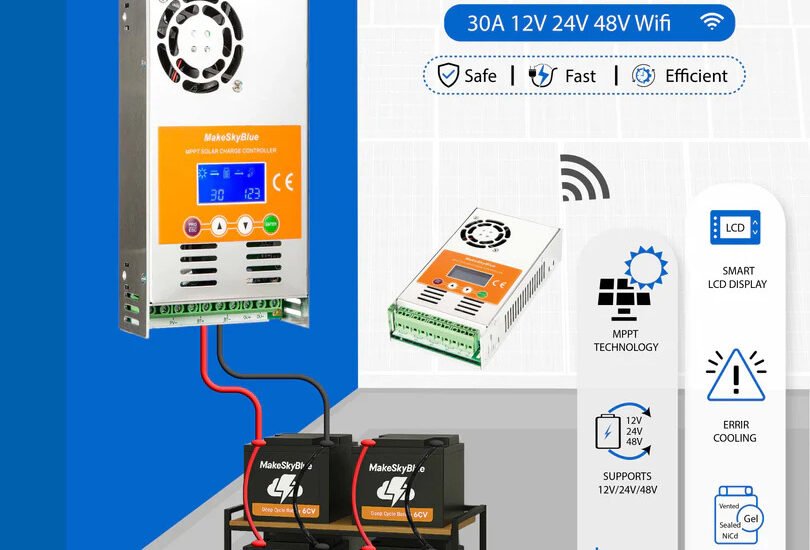
As energy demands rise and electricity bills soar, homeowners and businesses are increasingly turning to renewable energy. Among all renewable sources, solar energy stands out for its accessibility, sustainability, and cost-effectiveness. However, generating solar power is only half the story. To make solar electricity usable for your home or business, you need a solar power inverter — the heart of any solar system.
In this blog, we’ll explore everything about solar inverters: how they work, types, benefits, selection tips, and how they can transform your energy usage.
What Is a Solar Power Inverter?
A solar inverter is an electrical device that converts direct current (DC) produced by solar panels into alternating current (AC), which powers homes, offices, and industries. While solar panels capture sunlight efficiently, most electrical appliances and the power grid require AC electricity. Without an inverter, the energy produced by your panels remains unusable.
Modern solar inverters are not just converters; they are smart devices that optimize energy output, monitor system performance, and ensure safety by protecting against voltage fluctuations or faults.
How Solar Inverters Work
- Solar Panels Capture Sunlight: Photovoltaic (PV) cells in the panels absorb sunlight and generate DC electricity.
- DC Electricity Flows to the Inverter: The solar inverter receives this DC power.
- Conversion to AC Power: The inverter converts DC to AC electricity suitable for home appliances and the grid.
- Energy Distribution: The AC power is distributed to your home or fed back into the grid.
Some advanced inverters also incorporate monitoring systems, allowing homeowners to track energy production, consumption, and battery storage in real time.
Types of Solar Inverters
Choosing the right inverter depends on your energy needs, roof design, and whether you plan to use battery storage. Here are the main types:
1. String Inverters
- Connect multiple panels in a series (“string”) to a single inverter.
- Cost-effective and widely used for homes with consistent sunlight.
- Limitation: If one panel underperforms or is shaded, it affects the performance of the entire string.
2. Microinverters
- Each panel has its own small inverter.
- Ideal for roofs with shading or complex layouts.
- Allows each panel to operate independently, maximizing energy output.
- Slightly higher cost compared to string inverters.
3. Hybrid Inverters
- Combines solar conversion with battery storage management.
- Supports energy independence, allowing power use during outages or at night.
- Flexible and scalable for future expansion.
Key Benefits of Solar Power Inverters
Investing in a solar inverter brings multiple benefits beyond just converting electricity.
1. Reduced Electricity Bills
By converting solar energy for home use, you rely less on grid electricity, significantly reducing your monthly bills. In some cases, excess energy can be sold back to the grid, generating additional income.
2. Energy Independence and Reliability
Hybrid inverters allow energy storage in batteries, ensuring uninterrupted power even during blackouts or grid failures.
3. Environmental Sustainability
Solar energy is renewable and emits no greenhouse gases. Using solar reduces your carbon footprint, contributing to a cleaner planet.
4. Maximum Energy Efficiency
Modern inverters with Maximum Power Point Tracking (MPPT) extract the highest possible energy from your panels, even in less-than-ideal conditions.
5. Monitoring and Safety
Smart inverters provide real-time monitoring, fault detection, and safety mechanisms to protect both your system and home appliances.
How to Choose the Right Solar Inverter
Selecting the right inverter is crucial for efficiency, safety, and long-term savings.
Consider Your Energy Needs
- Evaluate your daily consumption and peak load requirements.
- Decide if you need a simple grid-tied system or a hybrid setup with battery backup.
Roof Condition and Layout
- Shaded or irregular roofs may benefit from microinverters or hybrid systems.
- Large, unshaded roofs are ideal for string inverters.
Efficiency and Technology
- Look for inverters with MPPT technology for optimal performance.
- Ensure compatibility with your solar panels and electrical system.
Scalability and Future Expansion
- Choose inverters that allow easy integration with additional panels or batteries.
- Hybrid inverters are ideal for future upgrades.
Warranty and Support
- Select inverters from reputable suppliers offering good warranties and technical support.
Real-Life Impact of Installing a Solar Inverter
- Stable Power Supply: Keep your home or office running smoothly even during blackouts.
- Lower Energy Costs: Drastically reduce or eliminate electricity bills.
- Business Continuity: Maintain operations without disruptions.
- Enhanced Comfort: Use appliances like air conditioners and water heaters without worrying about power cuts.
- Sustainable Living: Contribute to environmental protection and reduce reliance on fossil fuels.
Common Questions About Solar Inverters
Q1: Can I use solar power at night?
A: Not without batteries. Hybrid inverters store energy for nighttime use.
Q2: Are solar inverters expensive?
A: Initial costs can be significant, but long-term savings often outweigh the investment.
Q3: How much maintenance do inverters need?
A: Minimal. Occasional cleaning and professional checks are usually sufficient.
Q4: Can I expand my solar system later?
A: Yes. Hybrid inverters are designed to allow future additions of panels and batteries.
Choosing a Trusted Supplier
Buying a high-quality inverter from a reputable supplier ensures:
- Genuine products with reliable performance
- Accurate specifications and high efficiency
- Proper installation guidance and warranty support
- Compliance with safety and local electrical standards
For a wide range of high-performance inverters, you can explore solar power inverter options here. Whether you need a small home system or a large-scale hybrid setup, choosing the right inverter is critical to achieving maximum energy efficiency and reliability.
Conclusion
Switching to solar energy with a reliable solar power inverter is a smart investment for homeowners and businesses alike. Not only does it provide clean, sustainable energy, but it also reduces electricity bills, ensures power reliability, and offers long-term savings. By selecting the right inverter and trusted supplier, you can enjoy all the benefits of solar power while future-proofing your energy needs.
Start your journey toward energy independence and sustainability today — your future self (and the planet) will thank you.